
Loading...
Serving Porterville, CA and surrounding areas. (559) 854-8624
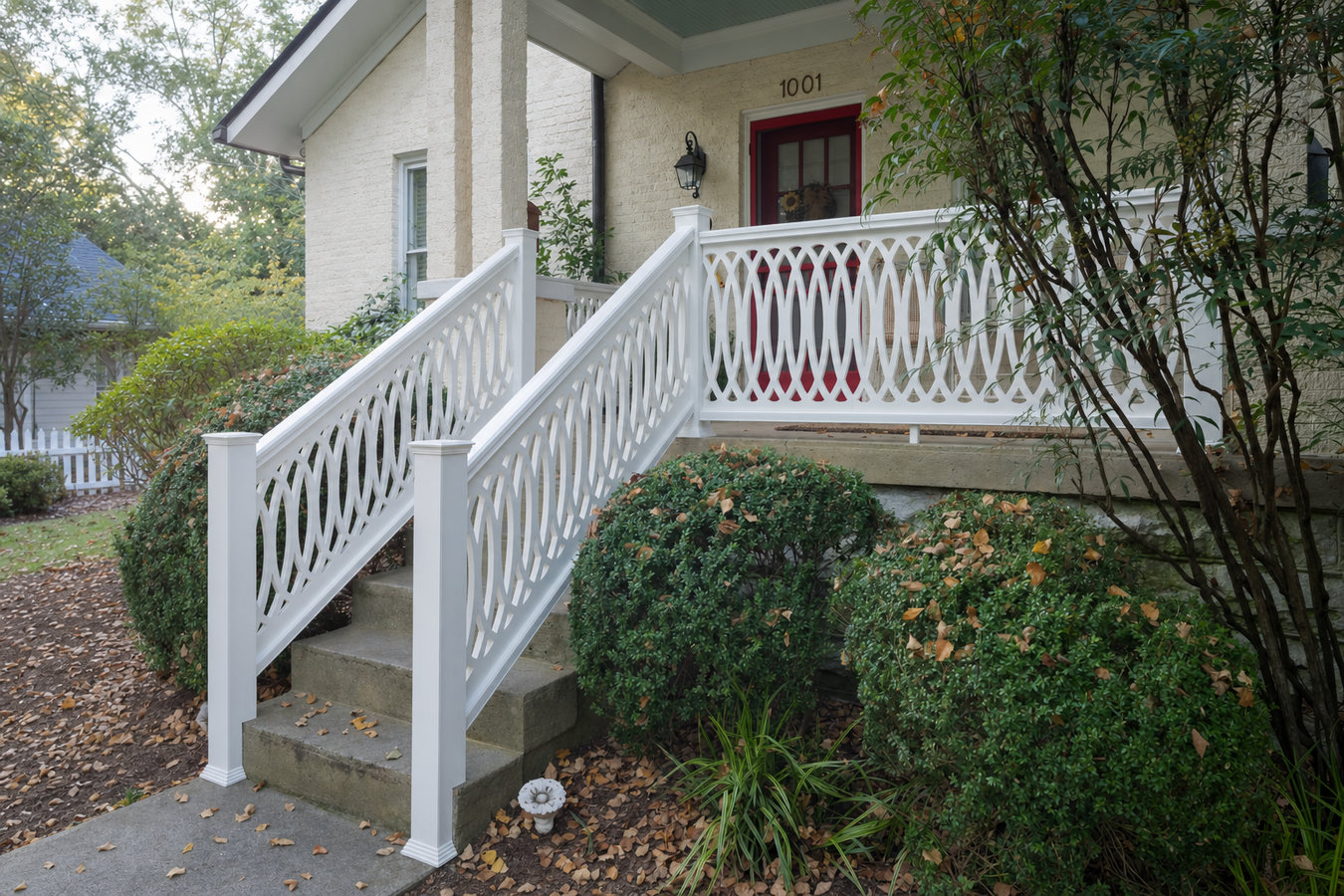
A railing that wobbles or is built from the wrong materials for this climate is not just cosmetic - it is a safety problem. We install railings that pass city inspection and hold up to Porterville summers.
Deck railing installation in Porterville, CA means anchoring posts solidly into your deck frame, installing rails and balusters to California height and spacing requirements, pulling a city permit, and passing a building inspection - with most installations completed in one to two days once the permit is approved.
California requires a railing on any deck that sits 30 inches or more above the ground, and the City of Porterville requires a permit for the work. Beyond the legal requirement, a railing is the part of your deck that people push against, lean on, and rely on near the edge. Post anchoring and the condition of the deck framing underneath both matter more than most homeowners realize. If your deck is part of a larger structure - such as a multi-level deck - we assess the framing at every level before specifying post locations and hardware.
We inspect the existing deck structure before we quote anything. If there is rotted framing or hardware that needs to be addressed before the new railing can be anchored properly, you will know about it upfront - not after we have already started pulling the old railing off.
Stand at the edge of your deck and push firmly on the railing with both hands. If it moves, sways, or feels loose at the base of any post, that is a safety problem - not just a cosmetic one. A railing that gives way under pressure is one of the leading causes of deck-related injuries, and it is a sign the posts were either installed incorrectly or have deteriorated over time.
Run your hand along the railing posts and top rail. If the wood feels spongy, crumbles slightly when you press it, or has deep cracks along the grain, it has likely been compromised by Porterville heat cycles and dry conditions. Sun-bleached gray wood that has not been refinished in years is often hiding deeper deterioration beneath the surface.
If you can measure 30 inches or more from your deck surface to the ground below and there is no railing in place, California law requires one. This situation is common on older Porterville homes where a deck was built before current safety rules were in place, or where a railing was removed and never replaced.
Real estate transactions in Porterville regularly surface unpermitted or non-compliant deck work during a buyer inspection. If your railing is missing, visibly deteriorated, or was installed without a permit, addressing it before you list is almost always less expensive than negotiating a price reduction or repair credit after the fact.
Every railing installation we do starts with a structural assessment - we look at the deck framing before specifying post locations, because a railing is only as strong as what it is anchored into. Post bases, through-bolts, and blocking inside the frame are not details we skip. We install railings on new deck builds, replacement projects, and standalone railing upgrades. Homeowners adding a railing to an existing deck as part of a custom deck build get the full structural assessment as part of the project scope at no additional step.
The American Wood Council Deck Construction Guide sets the technical standards for post anchoring and railing assembly that we follow on every project. For homeowners weighing material options, NADRA publishes useful guidance on material performance in different climate zones - Porterville conditions are worth factoring into that decision.
The most affordable option upfront - well suited for homeowners who plan to stay on top of staining and resealing every two to three years in Porterville conditions.
Holds up to high UV and heat without cracking or warping - the preferred low-maintenance choice for homeowners who do not want to refinish the railing every few years.
Combines the look of painted wood with the durability of a composite material - a good middle ground for homeowners who want a traditional appearance without annual maintenance.
Designed for homeowners replacing deteriorated railings on older decks - includes a framing assessment to confirm the structure can support the new system before any work begins.
A significant portion of Porterville homes were built between the 1960s and 1990s, and decks on homes of that age often have hardware and framing techniques that predate current standards. When we work on a railing project in neighborhoods like central Porterville, finding corroded hardware or wood that has softened from years of heat exposure is not unusual - it is part of what we check before finalizing any price. This matters because anchoring new railing posts into deteriorated framing does not produce a railing you can lean against with confidence.
Material choice also matters more here than in coastal California. The San Joaquin Valley gets sustained summer temperatures above 100 degrees Fahrenheit, and that heat dries out and cracks wood railings faster than in milder climates. Homeowners in communities like Lindsay and across Tulare County who choose wood over aluminum or composite often find themselves refinishing sooner than they expected. We walk through the material trade-offs at the estimate visit so you can make an informed decision before we spec anything out. Permit requirements add a step to every project, but the city inspector is an independent check that the work meets safety standards - which protects you now and when a buyer conducts a home inspection.
We ask about the size of your deck, what your current railing looks like, and what material you are interested in. We reply to all inquiries within one business day, and we schedule a site visit before giving you any firm price.
We look at more than just the railing - we check the deck framing and posts the new railing will anchor into. If there is rotted wood or structural issues underneath, you will know about it before work begins, not halfway through the job.
We pull the building permit from the City of Porterville Building Division before starting any work. This typically adds about a week before installation day. A contractor who suggests skipping the permit on structural railing work is a contractor worth being cautious about.
Most standard railing installations take one full day, sometimes two for larger decks. We remove old railing if needed, anchor new posts into the deck frame, install rails and balusters, and confirm everything is plumb and secure. A city inspector signs off before the project is closed.
We handle the permit, the inspection, and the cleanup. Call or get a free estimate - we reply within one business day.
(559) 854-8624On older Porterville homes it is not unusual to find rotted framing or corroded hardware once we start looking at where the new posts will anchor. We inspect the structure before we give you a price, so there are no surprises mid-project. This is especially important on homes built in the 1970s through 1990s where original hardware has been through decades of valley heat.
We pull every required permit through the City of Porterville Building Division and coordinate the inspector visit. Permitted railing work is documented proof that your deck meets current safety standards - which matters when a buyer inspector shows up someday. Unpermitted railing work is a common issue in Porterville home sales.
We know what the San Joaquin Valley heat does to different railing materials over time. Wood railings that might last 15 years in a coastal climate can show significant wear in half that time here. We walk you through the real trade-offs between wood, aluminum, and composite so your choice is informed by local conditions, not just upfront price.
You can verify our license in about 30 seconds on the California Contractors State License Board website. A licensed contractor carries insurance that protects your property during work. A contractor who declines to share their license number is a contractor worth walking away from.
A railing looks simple from the outside - but solid post anchoring, proper hardware, correct baluster spacing, and a city inspection are what separate a railing that holds up for 15 years from one that starts wobbling in two. These are the details we get right on every project.
Building a new deck from scratch - railing design is integrated into the project from the start so every detail works together.
Learn MoreRailing requirements on a multi-level deck vary by height at each platform - we assess and install to code at every level.
Learn MoreWhether you need a replacement or a brand-new install, we handle the permit, the inspection, and the cleanup. Call now or request a free on-site estimate.